
If your lawn stays wet long after rain stops, or you notice damp patches creeping toward your home, the problem is rarely surface water alone. In many Wollongong properties, the real issue sits below ground level. Groundwater builds pressure, has nowhere to escape, and slowly causes damage.
This is where French drains come in.
French drains are one of the most effective long-term drainage solutions for managing groundwater. When designed and installed correctly, they protect lawns, footings, retaining walls, and entire properties from persistent moisture problems.
What Is a French Drain?
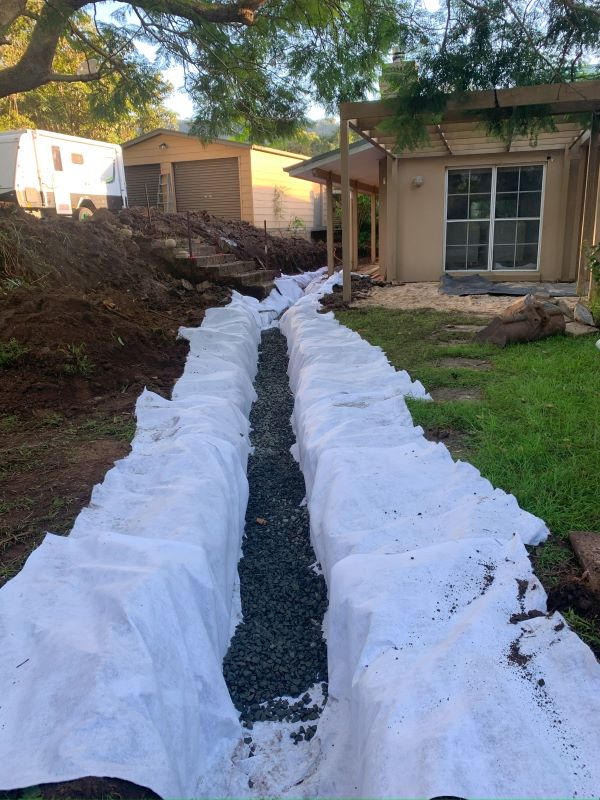
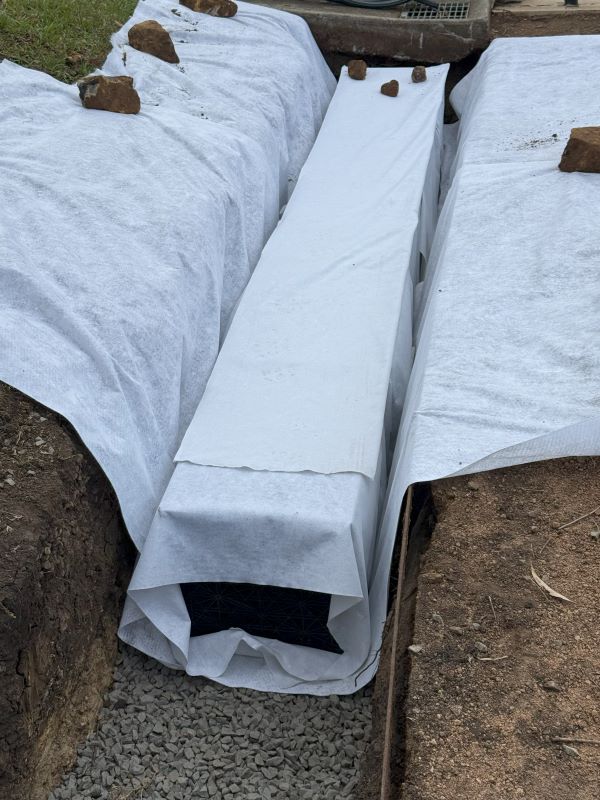
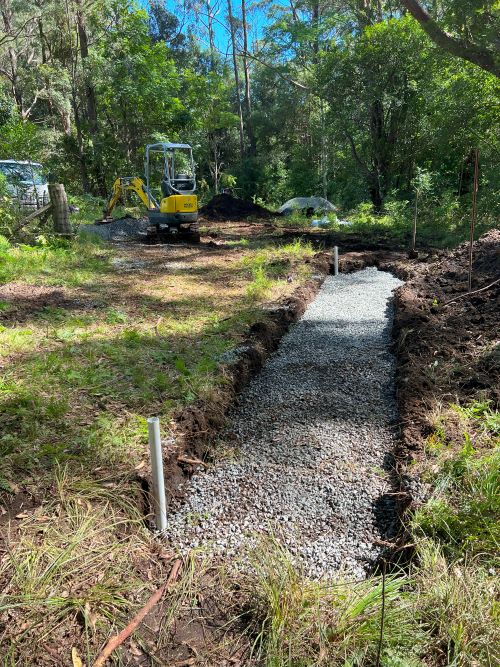
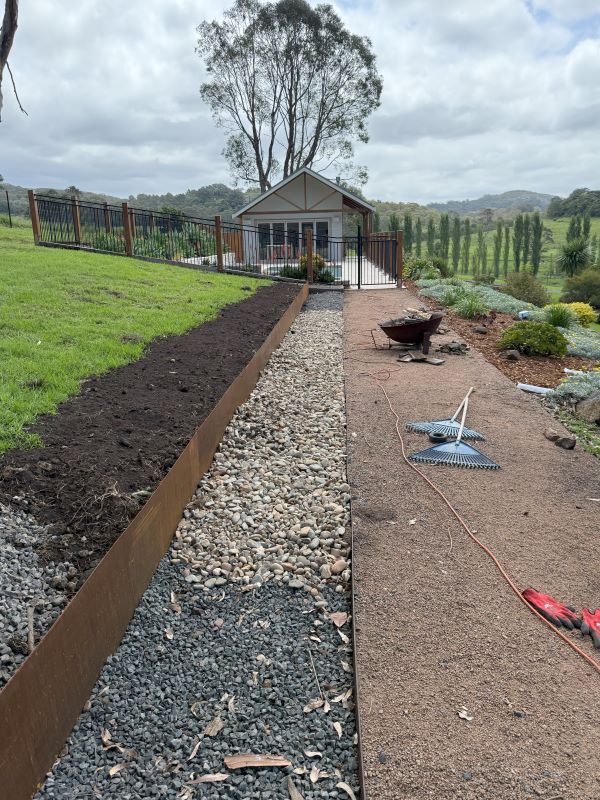
A French drain is a subsurface drainage system designed to capture and redirect groundwater. It consists of a trench lined with permeable fabric, filled with drainage aggregate, and fitted with a perforated pipe.
As groundwater builds up in the soil, it naturally flows into the gravel trench, enters the perforated pipe, and is redirected away from problem areas to a safe discharge point.
Unlike surface drains, French drains work continuously underground. They do not rely on visible grates or channels and are especially effective in clay-heavy soils common throughout Wollongong and the Illawarra.
How French Drains Work in Real Conditions
French drains relieve what is known as hydrostatic pressure. When soil becomes saturated, water pushes sideways and upward, often toward foundations or retaining walls.
A properly installed French drain:
- Intercepts groundwater before it reaches structures
- Lowers moisture levels in surrounding soil
- Reduces pressure against footings and walls
- Prevents ongoing saturation of lawns and garden beds
The key is correct depth, fall, and discharge design. Poorly installed French drains fail quickly and often make problems worse.
When a French Drain Is the Right Solution
French drains are ideal for:
- Lawns that remain boggy days after rain
- Water pooling along fence lines or retaining walls
- Rising damp in footings or lower brickwork
- Subfloor areas that stay damp or musty
- Sloped blocks where water moves downhill and collects
They are commonly used in conjunction with stormwater systems, not as a replacement. Stormwater manages roof and surface runoff. French drains manage groundwater below the surface.
French Drains vs Stormwater Drainage
This distinction matters.
Stormwater drainage:
- Handles roof rain water and surface runoff
- Uses pits, pipes, and downpipes
- Works during rainfall events
French drains:
- Manage groundwater
- Work continuously below ground
- Protect soil stability and foundations
Many Wollongong properties require both systems to function correctly.
Common French Drain Installation Mistakes
French drains fail when they are:
- Installed too shallow
- Laid without sufficient fall
- Not wrapped in geotextile fabric
- Discharged into saturated ground
- Installed without understanding soil behaviour
DIY installations often clog within months or simply move water from one problem area to another.
Where Soakwells Fit in Coastal and Sandy Areas
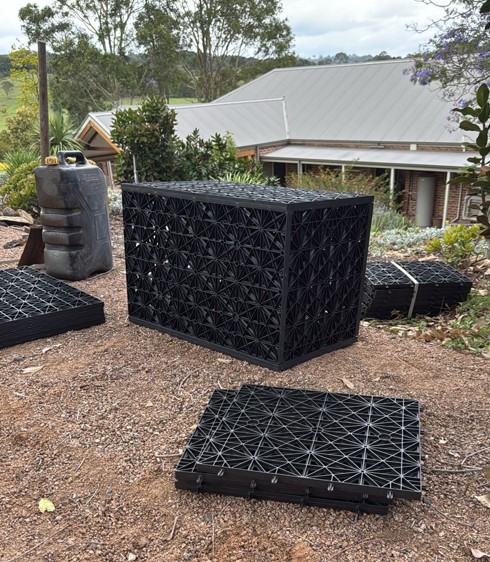
In coastal and sandy parts of Wollongong and the Illawarra, groundwater behaves differently to clay-heavy inland suburbs. Sandy soils allow water to disperse vertically, which means soakwells can sometimes be a better solution than French drains, or work effectively alongside them.
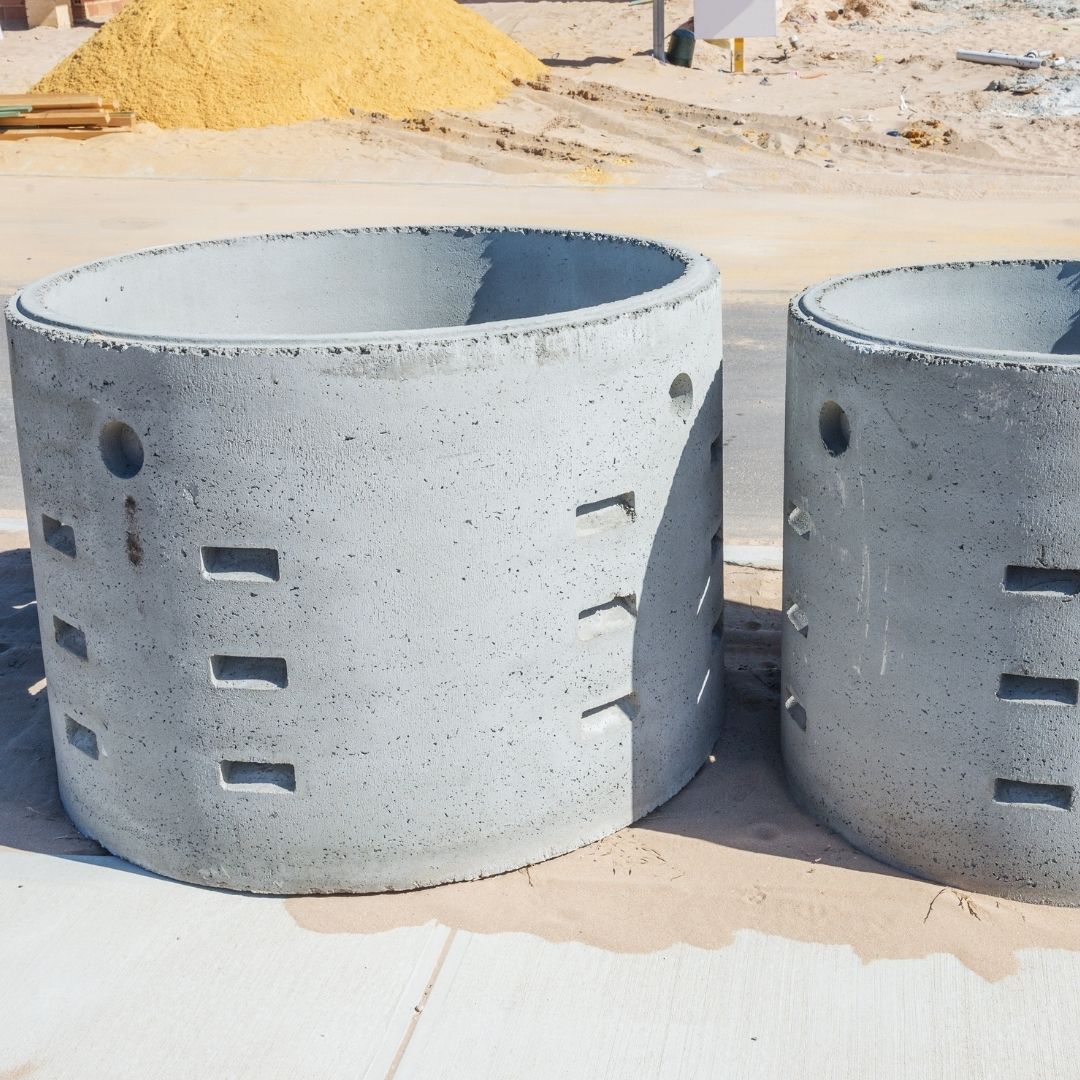
A soakwell is an underground structure that collects stormwater and allows it to slowly infiltrate into surrounding soil. When soil conditions are suitable, soakwells reduce surface runoff and relieve pressure on stormwater systems.
When Soakwells Work Well
Soakwells are most effective when:
- The soil is sandy or free-draining
- Groundwater levels sit well below the surface
- Roof runoff or surface water needs local dispersal
- Council discharge points are limited or unavailable
In these conditions, a soakwell can safely absorb water without causing pooling or saturation.
When French Drains Are the Better Option
French drains remain the preferred solution when:
- Groundwater sits close to the surface
- Lawns remain wet long after rain
- Water moves sideways toward structures
- There is rising damp or pressure against footings
French drains actively intercept groundwater and redirect it away, whereas soakwells rely on soil absorption.
Combined Drainage Systems
On many Wollongong properties, the most effective solution is a combined approach:
- Soakwells manage roof runoff and surface water
- French drains control subsurface groundwater
- Stormwater pipes handle overflow and heavy rainfall events
This layered system prevents overloading any single drainage component and delivers long-term stability.
A professional drainage assessment is essential, as installing a soakwell in the wrong soil conditions can worsen waterlogging rather than solve it.
Why Professional Design Matters
Every property behaves differently. Soil type, slope, existing drainage, and rainfall patterns all affect how groundwater moves.
A professional drainage assessment ensures:
- Correct trench depth and placement
- Proper pipe sizing and gradient
- Compliant discharge locations
- Integration with existing stormwater systems
This is why French drains should never be treated as a one-size-fits-all solution.
Final Thoughts on French Drains
French drains are not a quick fix. They are a long-term infrastructure solution for properties affected by groundwater. When installed correctly, they protect your home, improve landscaping usability, and prevent costly structural issues down the line.
If your yard stays wet, your footings show dampness, or your drainage problems keep returning, groundwater is likely the cause.
FAQs for the French Drains
1. Are French drains suitable for coastal properties?
Yes. French drains work well in coastal areas when groundwater is the main issue. They are especially effective where water moves laterally through soil and collects near footings or retaining walls.
2. Are soakwells better than French drains in sandy soil?
In sandy, free-draining soil, soakwells can be very effective for dispersing stormwater. However, they do not replace French drains where groundwater sits high or causes rising damp. The best system depends on how water behaves on the site.
3. Can French drains and soakwells be used together?
Yes. Many properties benefit from using both. Soakwells handle roof and surface runoff, while French drains manage groundwater below the surface. Together, they provide comprehensive drainage control.
4. Do French drains need to connect to stormwater?
In many cases, yes. French drains often discharge into stormwater systems, pits, or approved dispersal points. The discharge method must comply with NSW plumbing regulations and local council requirements.
5. How long do French drains last?
When installed correctly with proper fabric, aggregate, and fall, French drains can last decades. Failures usually occur due to poor design, incorrect depth, or lack of proper filtration.
6. Can I install a French drain myself?
DIY French drains often fail due to incorrect depth, poor fall, or improper discharge. Professional design is strongly recommended to avoid ongoing water problems and potential damage to foundations.


Contact Us
Our Services
Get A Free Quote
Contact us for a free, no-obligation quote on your plumbing needs.