

How to Detect a Hidden Water Leak in Your Home
Hidden water leaks are often detected by spotting unusual signs such as an unexplained increase in water bills, mouldy smells, damp patches on walls, or a sudden drop in water pressure. In some cases, warm areas on floors or the sound of running water when all taps are off may also indicate a leak. Wollongong homeowners can confirm a leak by turning off all water sources and checking if the meter still moves, then contacting a licensed plumber for non-invasive detection and repairs.
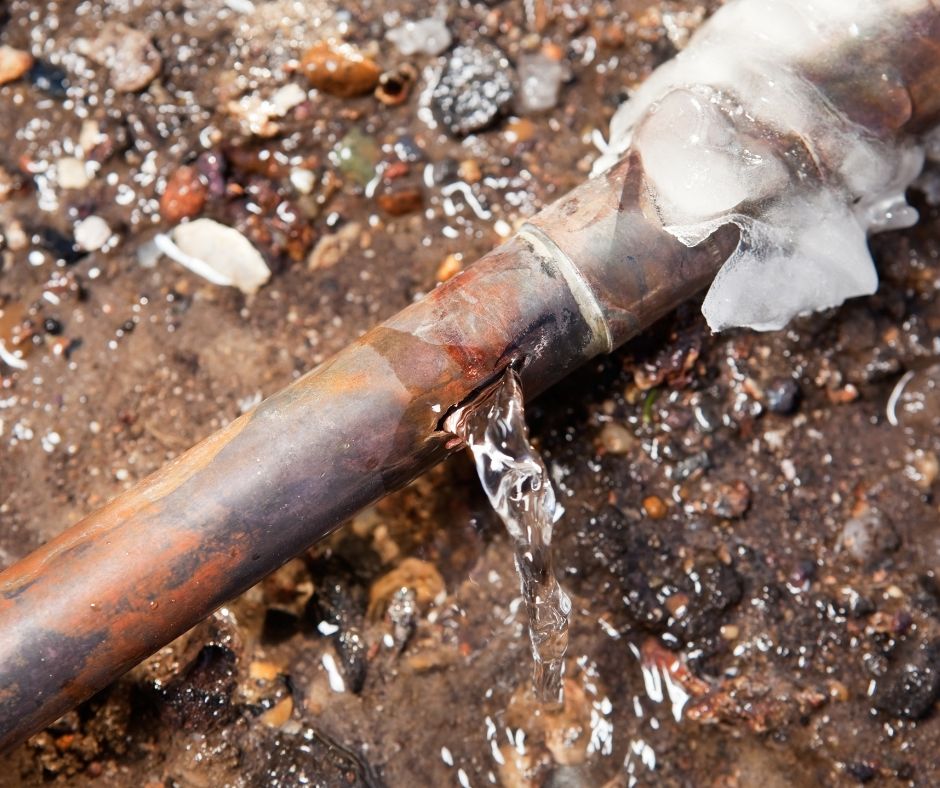
Leak Detection Services
Water can cause more than damage. Undetected leaks can silently erode your home’s structure, spike your water bill, and invite mould into places you will not see until it is too late.
If your home has older plumbing or you live in a suburb with clay or copper pipe systems, hidden leaks are a real risk. Knowing the early signs and how to spot them without ripping up floors or breaking walls is essential for every homeowner.
What Is a Hidden Leak
A hidden leak is any water escape that happens behind walls, under concrete slabs, in ceilings, or underground where you cannot see it directly. It can come from damaged pipes, faulty joints, corroded fittings or worn seals.
In Wollongong, homes are especially vulnerable due to:
- Salt-rich air speeding up corrosion
- Heavy rainfall overwhelming stormwater systems
- Tree root invasion into underground pipework
These local factors mean detecting a leak early can save thousands in repair costs and avoid structural damage.
Seven Signs You May Have a Hidden Leak
1. Unexplained Increase in Water Bills
If your usage habits have not changed but the bill climbs each quarter, you may be losing water somewhere you cannot see. A steady rise over time is one of the most common warning signs.
2. Damp or Mouldy Smells Indoors
Mould has a strong, musty smell. If it appears in areas with no visible leaks, such as cupboards or behind doors, it is often caused by slow water leaks within the walls.
3. Discolouration on Walls or Ceilings
Dark patches, bubbling paint or flaking plaster often signal trapped moisture. Ceilings under upstairs bathrooms are hotspots.
4. Low Water Pressure
If one tap has low pressure, it may be a clogged fitting. If the whole house is affected, and especially if it happens suddenly, it could indicate a pipe breach.
5. Warm Floors or Damp Spots on Concrete
If you notice warm or wet patches underfoot, particularly near bathrooms or laundries, this may suggest a slab leak under your floor.
6. Sound of Water Running When Taps Are Off
If you hear a hissing or dripping noise but all fixtures are turned off, listen closely to walls or floors. These sounds can reveal an active hidden leak.
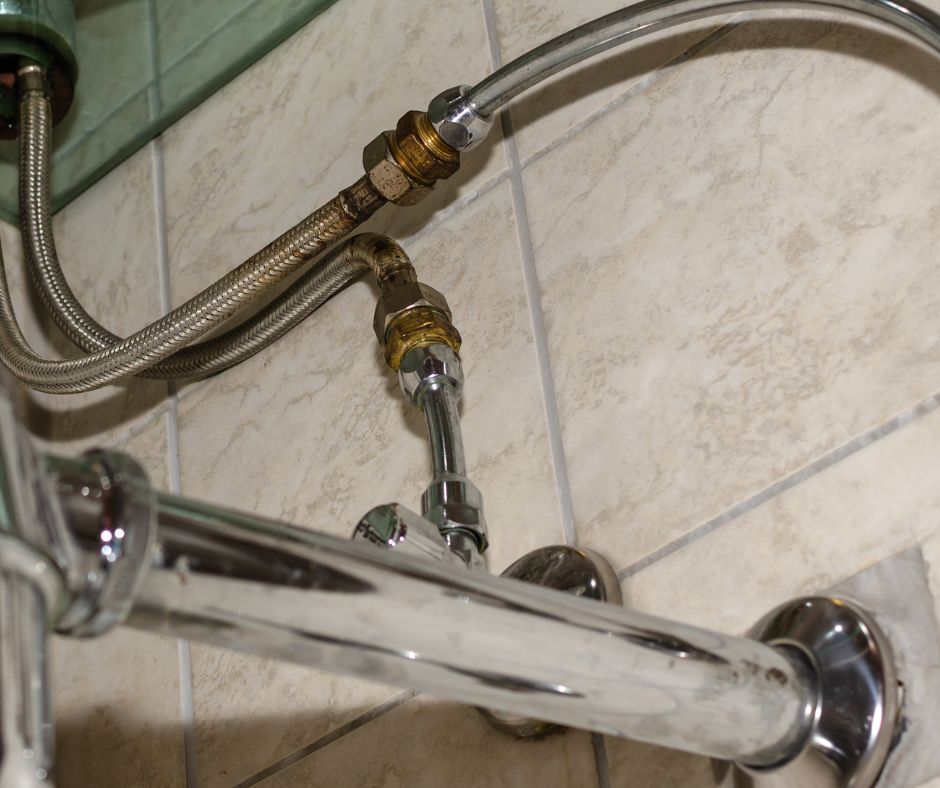
7. Old Flexi Hoses Installed Under Sinks or Basins
Flexible braided hoses are commonly used to connect taps to the water supply under sinks, basins, and toilets. Over time, the stainless steel braid can rust or fray, especially in older homes or high-humidity areas like Wollongong.
How to Confirm a Leak Without Pulling Things Apart
Before you call for excavation or wall removal, try the following:
- Check Your Water Meter
Turn off all taps and appliances. Note the meter reading. Wait 30 minutes. If the meter has moved, there is a leak. - Use a Thermal Imaging Camera
Many licensed plumbers now offer non-invasive leak detection using thermal imaging or acoustic sensors to locate leaks inside walls or concrete. - Look for Water Under Appliances
Dishwashers, fridges with water dispensers, and washing machines often have hidden hose leaks that go unnoticed for weeks. In many cases, these appliances are connected using flexible braided hoses (flexi hoses), which can deteriorate over time. A frayed or rusting flexi hose behind or beneath an appliance is a common cause of hidden leaks and should be inspected regularly, especially in homes with older fittings.

When to Call a Licensed Plumber
If you suspect a hidden leak, do not delay. In NSW, only licensed plumbers can legally carry out repairs involving internal pipework or water infrastructure. Leaks that go unaddressed can affect your home insurance and in some cases breach property compliance.
The NSW Fair Trading Plumbing Code of Practice outlines that all water work must comply with approved standards, and all regulated repairs require a certificate of compliance from a licensed tradesperson. You can read more on their site here:
NSW Fair Trading, Plumbing and Drainage
What to Do Next If You Have a Leak
Once a hidden leak is confirmed, you should:
- Book a licensed plumber with experience in non-invasive detection
- Stop using water fixtures in the affected area to reduce damage
- Document all damage if you are considering an insurance claim
- Keep receipts and photographic records for future reference
If you need fast assistance, our emergency plumbing service in Wollongong is available to attend to urgent leak repairs across the region.
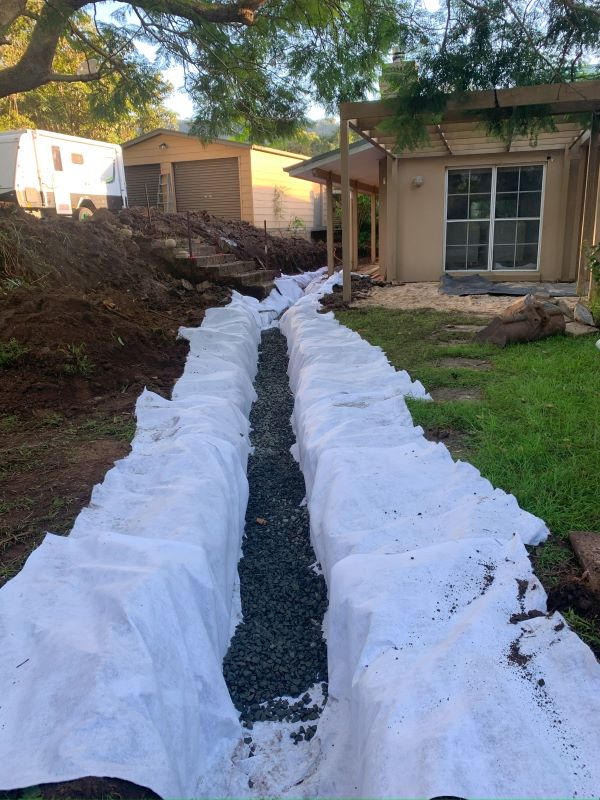
For persistent or complex issues, such as tree root intrusions or underground leaks, you may also need a drainage overhaul.
Final Advice for Wollongong Homeowners
Leaks do not always show themselves right away. But the signs are always there if you know what to look for. If you have even one of the warning symptoms mentioned above, it is worth investigating before the problem grows.
Wollongong’s unique environment means plumbing issues often behave differently here than they do inland. A slow leak behind a bathroom wall or under your driveway could cost thousands if it spreads to electrical systems, foundations or timber framing.
Early detection protects more than pipes. It protects your home.

Contact Us
Our Services
Get A Free Quote
Contact us for a free, no-obligation quote on your plumbing needs.