
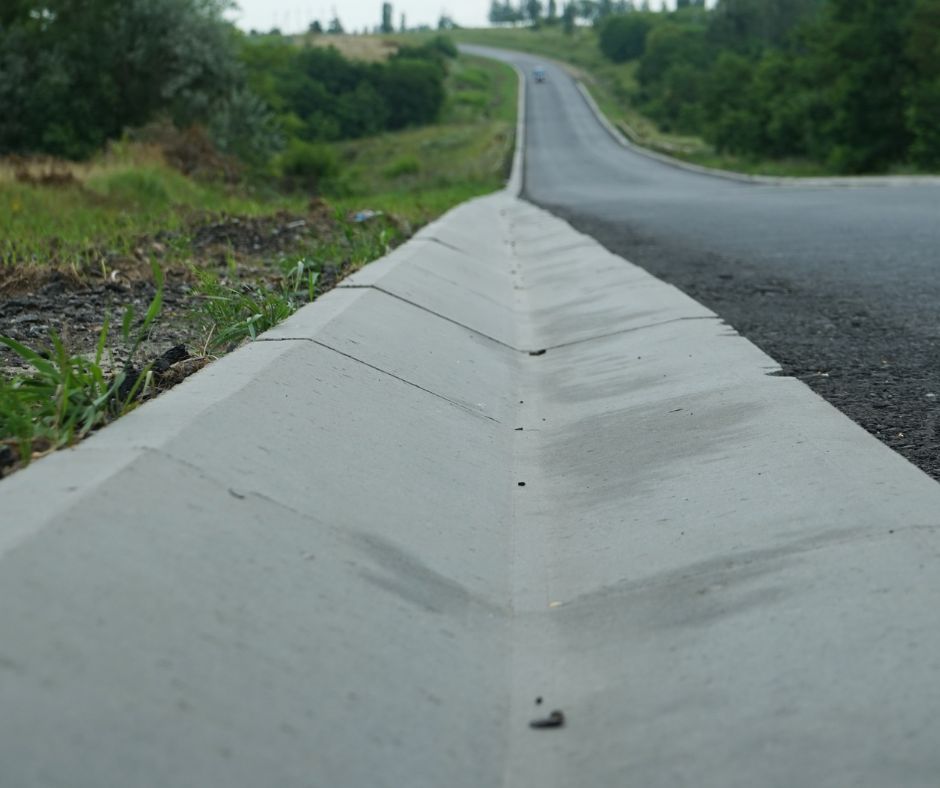
Water runoff between neighbouring properties is one of the most common causes of stress for homeowners, especially in areas with sloping land, heavy rainfall, and older drainage systems. Many people only realise there is a problem when a neighbour raises concerns about flooding, erosion, or water damage.
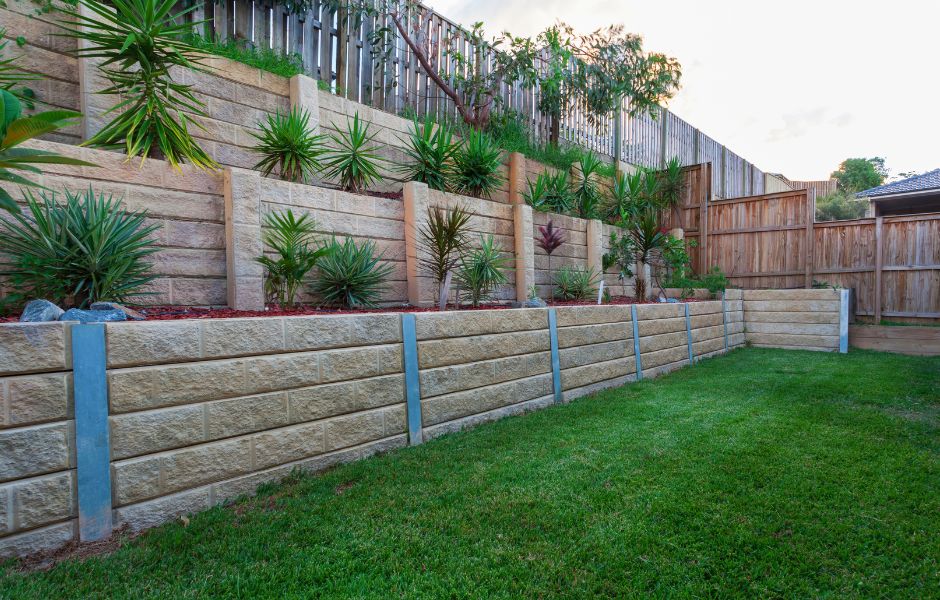
This article provides general information only, not legal advice. Stormwater responsibility can depend on site conditions, past changes, and local council requirements. In some cases, advice from your local council, a mediator, or a qualified legal professional may be necessary.
Why This Issue Is Common in NSW
Across Wollongong, the Illawarra, and the South Coast, many homes are built on sloping blocks. Water naturally flows downhill, and during heavy rain it will move quickly unless properly controlled.
Problems usually arise when:
- Natural flow is altered
- Water is concentrated into one discharge point
- Drainage systems fail or are undersized
- Landscaping or building works change how water moves
Most homeowners are not intentionally causing issues. In many cases, the drainage simply no longer works as intended.
Natural Water Flow vs Altered Water Flow
This distinction is critical in NSW.
Natural Water Flow
Natural flow refers to rainwater that moves downhill across land as it always has, without being redirected or concentrated by human activity.
If water flows naturally from higher land to lower land, this alone does not usually create responsibility.
Altered Water Flow
Altered flow occurs when water is redirected, concentrated, or accelerated due to:
- Downpipes discharging toward a boundary
- Paved areas or driveways
- Landscaping or retaining walls
- Added drainage systems
- Building or renovation works
In NSW, responsibility more often arises when natural flow has been changed, not simply because water exists.
When a Homeowner May Be Responsible
A property owner may need to take action if stormwater from their property:
- Is directed onto a neighbouring property
- Is discharged in a concentrated manner
- Causes erosion, flooding, or damage
- Was altered by building or landscaping works
- Is not managed on-site as required
In these cases, councils often expect the issue to be resolved through proper drainage rather than neighbour disputes.
When a Homeowner May Not Be Responsible
Not every water issue is a liability issue.
You may not be responsible if:
- Water follows a long-established natural flow path
- The issue is caused by extreme weather alone
- The neighbour’s drainage system is blocked or failing
- The problem relates to council-owned infrastructure
This is why identifying how water is moving matters more than simply identifying where it ends up.
How Local Councils Typically Approach Runoff Issues
In NSW, councils generally expect property owners to:
- Manage stormwater within their own property where possible
- Prevent water from being redirected onto neighbouring land
- Use compliant drainage systems and discharge points
Councils often encourage resolution through:
- Proper drainage rectification
- Engineering or plumbing assessments
- Mediation between neighbours
They rarely want disputes to escalate when practical drainage solutions exist.
How Drainage Fixes Prevent Neighbour Disputes
Most runoff issues can be resolved by improving drainage design.
Common solutions include:
- Stormwater drainage systems connected to approved discharge points
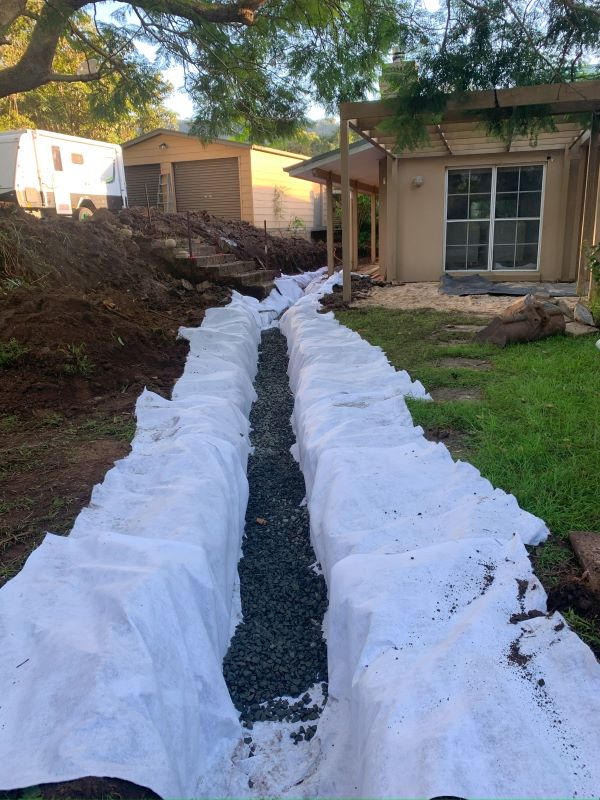
- French drains to intercept groundwater
- Channel drains across driveways and hard surfaces
- Soakwells in suitable sandy soil conditions
- Pipe replacements or upgrades to handle modern rainfall volumes
Fixing the cause of water movement is almost always more effective than redirecting it elsewhere.
What to Do If Water Is Causing a Problem
If water from your property is affecting a neighbour, or water from a neighbour is entering your land, a practical approach helps avoid conflict.
- Observe how water behaves during and after rain
- Avoid temporary redirection that may worsen the issue
- Arrange a professional drainage assessment
- Speak with your local council if required
- Consider mediation if communication becomes difficult
- Seek legal advice only if necessary
Most issues are resolved long before legal action is required.
Important Disclaimer
This article provides general information only and does not constitute legal advice. Responsibility for stormwater can vary depending on site history, drainage design, and council requirements. Homeowners should consult their local council, a qualified drainage professional, or a legal advisor for advice specific to their situation.
Final Thoughts
Stormwater disputes are rarely about blame. They are usually about water being unmanaged or drainage systems no longer coping with real-world conditions.
Understanding the difference between natural and altered water flow, and addressing drainage issues early, protects relationships, properties, and peace of mind.
If you are unsure why water is moving the way it is, a professional drainage assessment is the safest place to start.
FAQs: Water Runoff Between Neighbouring Properties in NSW
1. Am I automatically responsible if water from my property flows into my neighbour’s yard?
No. In NSW, responsibility does not automatically apply just because water flows downhill. Issues usually arise when water flow has been altered or concentrated due to drainage works, paving, landscaping, or building changes.
2. What is considered altered stormwater flow?
Altered flow includes water redirected by downpipes, driveway drainage, landscaping, retaining walls, or plumbing systems that increase the speed or volume of water leaving a property compared to natural conditions.
3. What if water has always flowed this way?
If water follows a long-established natural flow path and has not been redirected or concentrated by works, it may not create responsibility. Each situation is different, which is why assessment of drainage design matters.
4. Can my council make me fix a stormwater issue?
Local councils can require property owners to address stormwater issues if runoff is causing damage or does not meet council drainage requirements. Councils often encourage practical drainage solutions rather than neighbour disputes.
5. What drainage solutions usually resolve runoff disputes?
Most issues are resolved by installing or upgrading stormwater drainage, French drains for groundwater, channel drains for hard surfaces, or soakwells in suitable soil conditions. The right solution depends on how water behaves on the site.
6. Should I get legal advice if there is a disagreement?
This article provides general information only, not legal advice. If a dispute cannot be resolved through drainage improvements, homeowners may need to speak with their local council, use mediation services, or seek advice from a qualified legal professional.


Contact Us
Our Services
Get A Free Quote
Contact us for a free, no-obligation quote on your plumbing needs.