

If your hot water has gone cold, the fix depends entirely on what kind of system you have. A gas unit that has lost its flame is a different job from an electric tank on a dead element, and both are different again from a solar or heat pump system that is only underperforming on cold mornings. Working out which one you are dealing with takes about ten minutes, and it changes what you should do next.
Sandro Contarin is the owner of CS Plumbing, and he has held a NSW plumbing licence since 1992 and works across Wollongong and the Illawarra. Here is the order he checks things in, and the handful of tests you can safely do yourself before you call anyone.
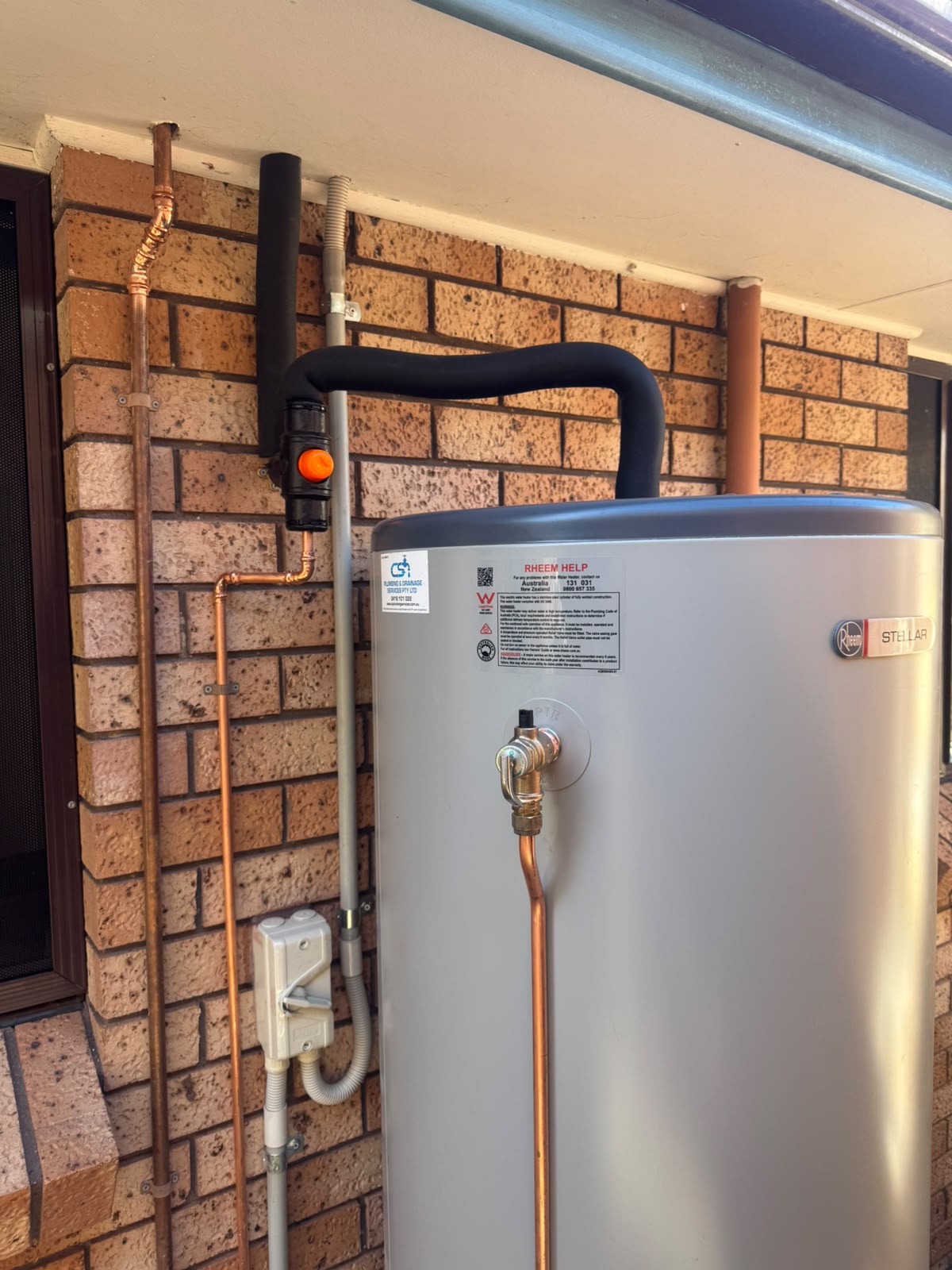
Key takeaways
- Check whether the water is cold or not hot enough first. They point at different faults.
- Gas units usually fail at the flame. Electric units usually fail at the element or thermostat.
- Solar and heat pump systems often have a booster that has quietly stopped working, which makes the whole system look broken when it isn’t.
- Anything involving gas, or opening a live electrical unit, is licensed work in NSW.
Is the water completely cold, or just not hot enough?
This is the first question, and most people skip it. Completely cold usually means something has stopped: no flame, no element, no power. Lukewarm or running out fast usually means something is still working but has lost capacity, which points at a thermostat, a failing element, a tempering valve, or a tank that has simply outgrown the household.
Run the hot tap in the kitchen for two full minutes and feel it. Then check a second tap somewhere else in the house. If one tap is cold and the others are fine, the problem is that tap or its line, not the hot water system at all.
What “running out fast” usually means
On a storage tank, hot water that lasts five minutes instead of twenty is a classic sign of one failed element in a twin element unit, or a build up of sediment in the bottom of the tank taking up the space the water used to sit in. Neither is dramatic. Both need the unit opened up. If you are weighing up whether to repair or change type, we have covered whether storage tank hot water systems are still a good choice in Wollongong separately.
What gets checked on a gas hot water system?
On a gas unit, the answer is almost always about the flame. Either it went out, or it isn’t lighting, or it lights and then drops out again after a minute or two.
Before calling, you can safely check three things. Is the gas actually on at the meter and at the isolation valve near the unit? Are your other gas appliances working, like the cooktop? And on an older unit with a standing pilot, is the pilot light still burning?
If the pilot is out and it relights and stays lit, you may have had a one off. If it relights and drops out again, the thermocouple is the usual culprit and that is a licensed gas job. We have written up that exact sequence in detail in what you can check before calling a plumber about a pilot light.
Newer continuous flow units have no pilot at all. They ignite electronically, which means they need power as well as gas. If the unit is dead and the gas is on, check that its power point hasn’t been switched off or tripped.
What gets checked on an electric hot water system?
Electric storage units fail in a small number of predictable ways, and the checks run in a fixed order: power, then thermostat, then element, then tank.
Start at the switchboard. A hot water circuit that has tripped is common and easy to miss, because the breaker is often labelled something unhelpful. If it trips again straight after you reset it, stop there. A repeatedly tripping hot water circuit usually means the element has failed to earth, and continuing to reset it is not a good idea.
Many electric tanks in the Illawarra run on a controlled load tariff, which only energises the unit during off peak hours. If the household has recently changed its habits, or the tank was undersized to begin with, you can get a system that works perfectly and still leaves you cold by evening. That is a sizing conversation, not a repair.
The relief valve is worth a look
Lift the lever on the temperature and pressure relief valve on the side of the tank and let it discharge briefly. If nothing comes out, or it won’t reseat and keeps dripping afterwards, note it. It doesn’t cause cold water, but it tells a plumber something about the tank’s condition before they arrive.
What about solar and heat pump systems?
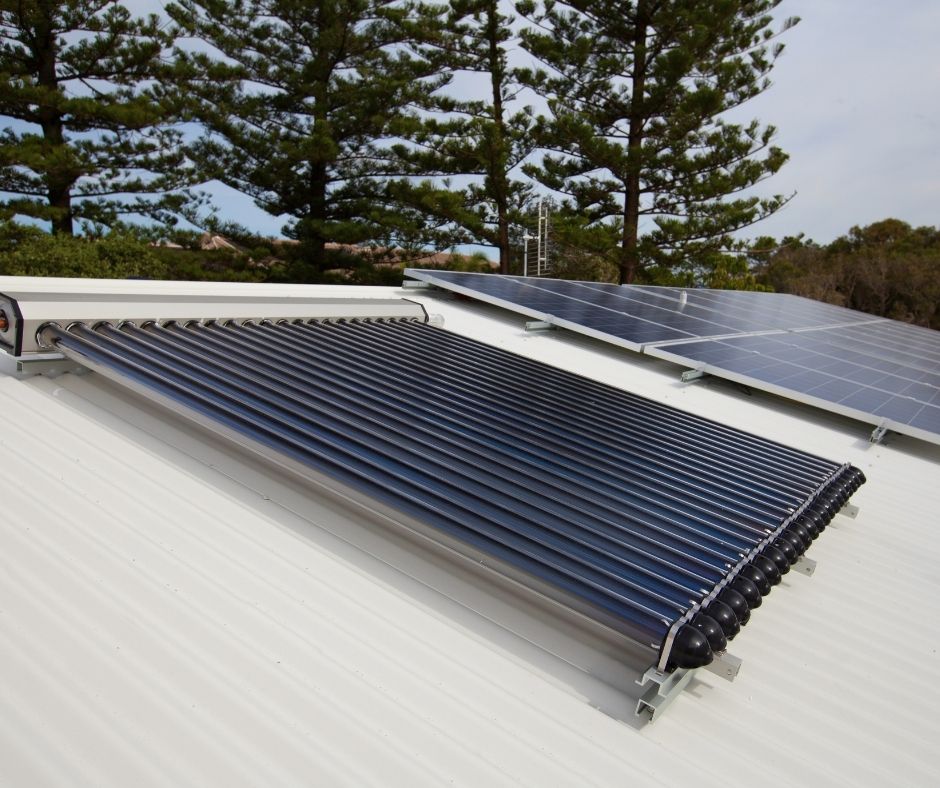
Solar and heat pump systems catch people out because they rarely fail outright. They degrade, and the booster covers for them until the booster itself gives up.
A solar hot water system has collectors on the roof, a tank, and an electric or gas booster for days when the sun doesn’t do the work. If your solar system has been fine for years and has suddenly gone cold in winter, the collectors may be fine and the booster may be the failure. Check whether the booster switch, often an isolated switch inside the house, has been turned off. It happens more often than you would think.
Heat pump units work differently again. They pull heat out of the air using a compressor, so they are slower to recover than a gas unit and they lose efficiency on genuinely cold mornings. A heat pump that takes longer to heat in July is behaving normally. A heat pump that has stopped making any noise at all has a fault.
CS Plumbing services gas, electric, solar and heat pump hot water across the Illawarra. You can see the full scope on our hot water page.
What is safe to do yourself, and what isn’t?
You can check taps, check the gas is on, check other gas appliances, look at the switchboard, relight a standing pilot following the instructions printed on the unit, and lift a relief valve lever. That is the list.
You cannot legally do gas work in NSW without a licence, and you shouldn’t open an electric hot water unit. Elements sit in water and carry mains voltage. There is no version of that job worth attempting to save a call out.
It is also worth knowing that hot water leaving a bathroom outlet is regulated by a tempering valve set to a maximum delivery temperature. If your hot water has gradually cooled at the shower but the kitchen tap is still hot, a failing tempering valve is a strong candidate and the tank may be perfectly healthy.
What does a repair cost?
It depends on which of the above it turns out to be, and on whether the unit is worth repairing at all. A thermocouple on a ten year old gas unit is a small job. The same fault on a twenty year old unit that is also weeping from the tank is money spent on something you will replace within the year.
The honest answer is that nobody can quote a hot water repair properly without seeing the unit, its age and its condition. Call us on 0416 101 022 and we will give you a straight answer about whether it is worth fixing.
Frequently Asked Questions
Why is my hot water lukewarm but not cold?
Lukewarm usually means the system is still partly working. On an electric tank that points at one failed element or a thermostat drifting out of range. On a mixed outlet it can be a tempering valve that is no longer holding its setting.
Can I relight my own gas hot water pilot?
Yes. If the unit has a standing pilot and printed relighting instructions on it, following those instructions is fine, and it is the one gas check a homeowner can safely make. If it will not stay alight after two attempts, stop there and call a licensed gas fitter rather than trying again. A pilot that keeps dropping out usually points at the thermocouple, which is licensed work.
How long should a hot water system last?
It varies with the type, the water and how hard the household runs it. What matters more for a repair decision is the unit’s age relative to its type, and whether the tank itself is sound. A plumber can tell you that from the compliance plate in a couple of minutes.
My heat pump is noisy and slow in winter. Is it broken?
Not necessarily. Heat pumps recover more slowly in cold weather because there is less heat in the air to move. A unit that is slower in July but still gets there is behaving as designed. A unit that has gone silent has a fault.
Do you cover the whole Illawarra?
Yes. CS Plumbing works across Wollongong and the surrounding Illawarra suburbs for hot water repairs and replacements on gas, electric, solar and heat pump systems. Sandro has held a NSW plumbing licence since 1992, so the diagnosis and any gas work are done by the same licensed tradesperson rather than being split between two visits.

Contact Us
Our Services
Get A Free Quote
Contact us for a free, no-obligation quote on your plumbing needs.