

A smelly drain in your Wollongong home is usually more than an unpleasant smell to put up with. It often means trapped waste, a dry water trap, or a blocked vent is letting sewer gas back into the house. Here’s what causes it and when it’s worth calling a licensed plumber.
Why Does My Drain Smell? Quick Answer
Smelly drains are usually caused by trapped food, soap scum or organic buildup in the pipe, a dry or faulty water trap, or bacteria in the drain line. Flushing the drain with boiling water and vinegar, clearing the trap, and topping up water seals fixes most cases. If the smell keeps coming back, get a licensed plumber to check for a deeper blockage or a sewer gas leak.
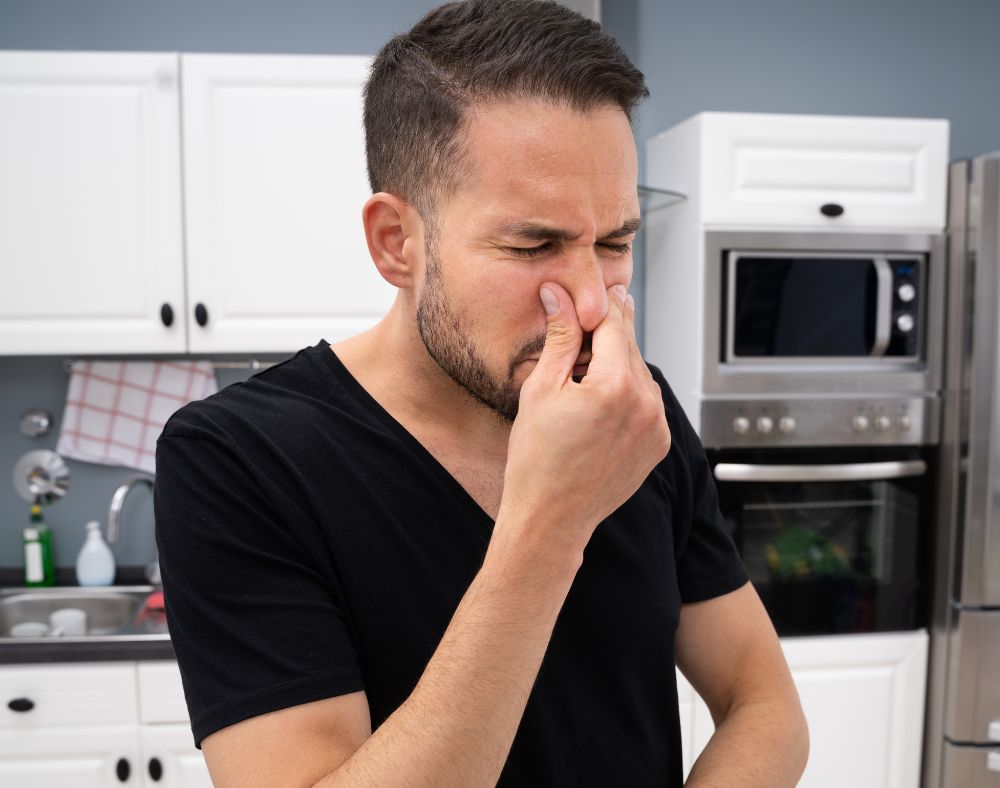
What Causes Smelly Drains in Wollongong Homes?
1. Organic Buildup in the Drainpipe
Food scraps, soap, grease and hair collect in the drain over time. This organic matter breaks down and breeds bacteria, which is what gives you that sulphur-like or musty smell.
2. Dry or Faulty Water Trap (P-Trap or S-Trap)
The trap under a sink or floor waste is a curved section of pipe that holds water to block sewer gases. If it dries out from being unused, or was installed wrong in the first place, gas can escape straight into your home.
3. Blocked Vent Pipes
Plumbing vents regulate pressure and carry sewer gas safely out through your roof. If they’re blocked by leaves, a bird’s nest, or corrosion, that gas can get forced back down into your drains instead.
4. Cracked or Damaged Pipes
Older pipework, common across Wollongong’s established suburbs, can crack or shift over time. That lets gas escape along the run, or lets debris settle and create stagnant pockets.
5. Incorrect Appliance Installation
A washing machine or dishwasher fitted without a proper trap, or with an open-ended drain hose, lets odours escape straight into the room. It’s a common problem with DIY installs.
Quick Fixes You Can Try Yourself
Flush the Drain
Pour boiling water followed by a mix of vinegar and bicarbonate soda down the smelly drain. Let it fizz for 10-15 minutes, then flush again with hot water. This helps break up organic buildup.
Check the Trap
Remove and clean the U-bend trap under sinks if it’s accessible. Wear gloves and expect it to be blocked with hair, sludge, or grease.
Top Up the Water Trap
If a drain hasn’t been used for a while (guest bathroom, floor waste), pour a few cups of water into it to restore the water seal.
Ventilate the Area
Use fans or open windows to disperse any gases until the issue is resolved. Avoid chemical drain cleaners, which can worsen pipe corrosion over time.
When to Call a Licensed Plumber
If smells persist despite cleaning, or if multiple drains across the house are affected, it’s time to bring in a professional. Persistent odours may indicate:
- A blocked main drain line
- A breach in sewer pipework
- A faulty or collapsed P-trap
- A ventilation issue inside walls or ceiling cavities
A licensed plumber will use inspection cameras or smoke testing to pinpoint the exact cause. For homes affected by salt air or ageing pipework, a full drain inspection is worth booking so small issues get caught before they turn into a bigger repair.
If your case is urgent, such as sewage smells in living areas, our emergency plumbing service is available 24/7 across the Illawarra.
Preventing Drain Smells in the Future
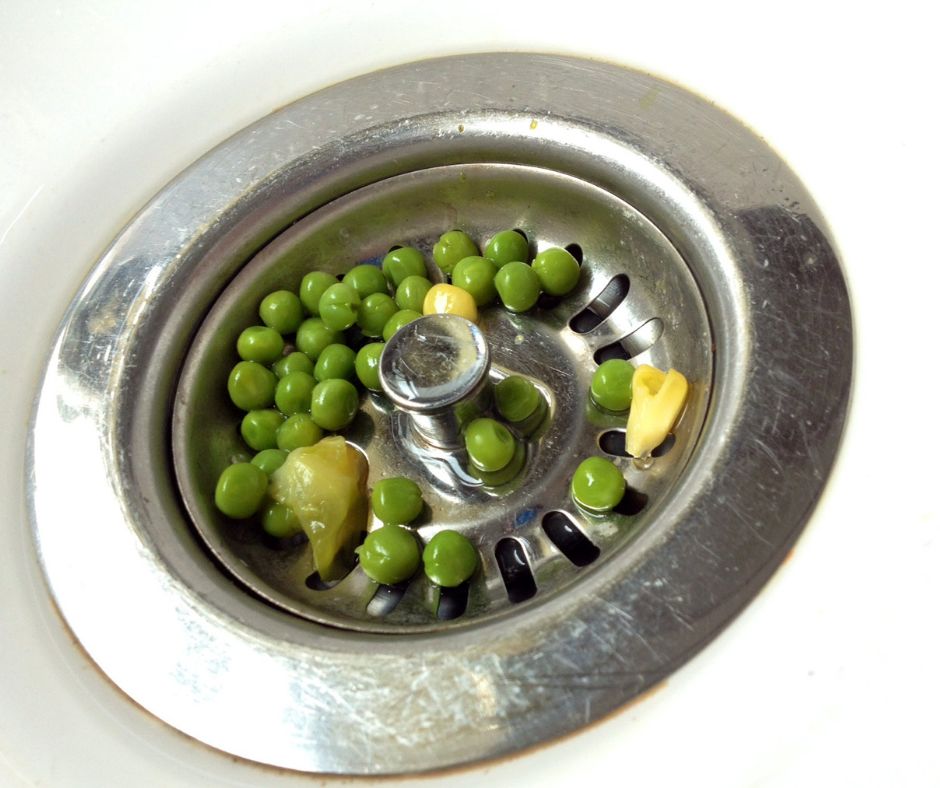
- Avoid pouring grease or oils down the kitchen sink
- Clean drain strainers weekly
- Run boiling water down bathroom and laundry drains monthly
- Flush lesser-used drains seasonally to maintain trap water seals
- Book an annual plumbing checkup with a licensed local provider
Final Advice for Wollongong Homeowners
Drain smells are more than just unpleasant. They signal trapped waste, missing seals, or worse, leaks and ventilation problems that could grow into major health or structural issues.
In Wollongong’s mix of new estates and older homes, smells often come from simple build-up, but sometimes point to deeper faults hidden behind walls or under concrete.
Don’t just mask the smell. Find the cause. Fix it at the source. And if DIY doesn’t cut it, trust a licensed plumber like us at CS Plumbing Services, who knows how your home was built and how to keep it safe.
Frequently Asked Questions
Why does my drain still smell after I clean it?
A drain that still smells after cleaning usually points to a dry water trap or a blocked vent pipe, not surface buildup. Cleaning removes visible gunk, but it won’t fix a trap that has lost its water seal or a vent that’s letting gas back down the pipe. If the smell returns within a day or two, that’s the pattern to look for. Call us if it keeps coming back.
Is a smelly drain dangerous?
It can be. Sewer gas can include hydrogen sulphide and methane, which are unpleasant at low levels and a genuine health and safety risk at higher concentrations. A smell that lingers for more than a few days, or affects multiple rooms, is worth having checked by a licensed plumber rather than masked with air fresheners.
Can I fix a smelly drain myself?
Yes, for the common causes. Flushing the drain with boiling water and vinegar, cleaning an accessible trap, and topping up water in a rarely used floor waste are all safe DIY steps. If the smell doesn’t clear after trying these, or you can’t reach the trap, it’s time to call a licensed plumber.
What does it cost to have a smelly drain inspected?
It depends on how straightforward the cause is and whether a camera inspection is needed to find it. A simple trap or vent issue is usually quick to diagnose and fix, while a suspected pipe break needs a proper inspection first. Call us for a quote based on what’s actually going on at your property.
How long does it take to fix a smelly drain?
Most smelly drain call-outs are sorted in a single visit. Simple fixes like clearing a trap or topping up a water seal take minutes once we’re on site. A deeper issue, like a cracked pipe or a blocked vent inside a wall cavity, may need a follow-up visit to complete properly.
When should I call a plumber instead of trying to fix it myself?
Call a licensed plumber if the smell persists after cleaning and flushing the trap, if more than one drain in the house is affected, or if gurgling, slow drainage, or damp patches show up alongside the smell. These can point to a blocked main line or damaged pipework that needs proper inspection, not a home remedy.

Contact Us
Our Services
Get A Free Quote
Contact us for a free, no-obligation quote on your plumbing needs.